


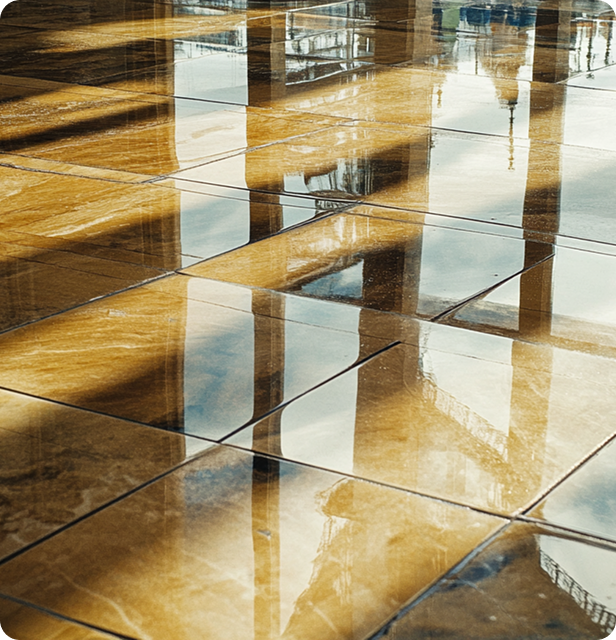
Terracotta is fired clay, extremely porous and unglazed, and it shows its age quickly without protection. These are the problems that bring terracotta owners to us.

Terracotta restoration is deep cleaning first, then the right protection. Your free in-home estimate tells you which steps your tile needs.
Terracotta patios and covered outdoor floors follow the same sequence with outdoor products.
Sealed terracotta is easy to keep. Unsealed terracotta stains on contact.


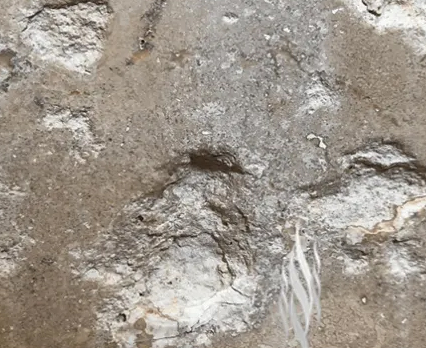

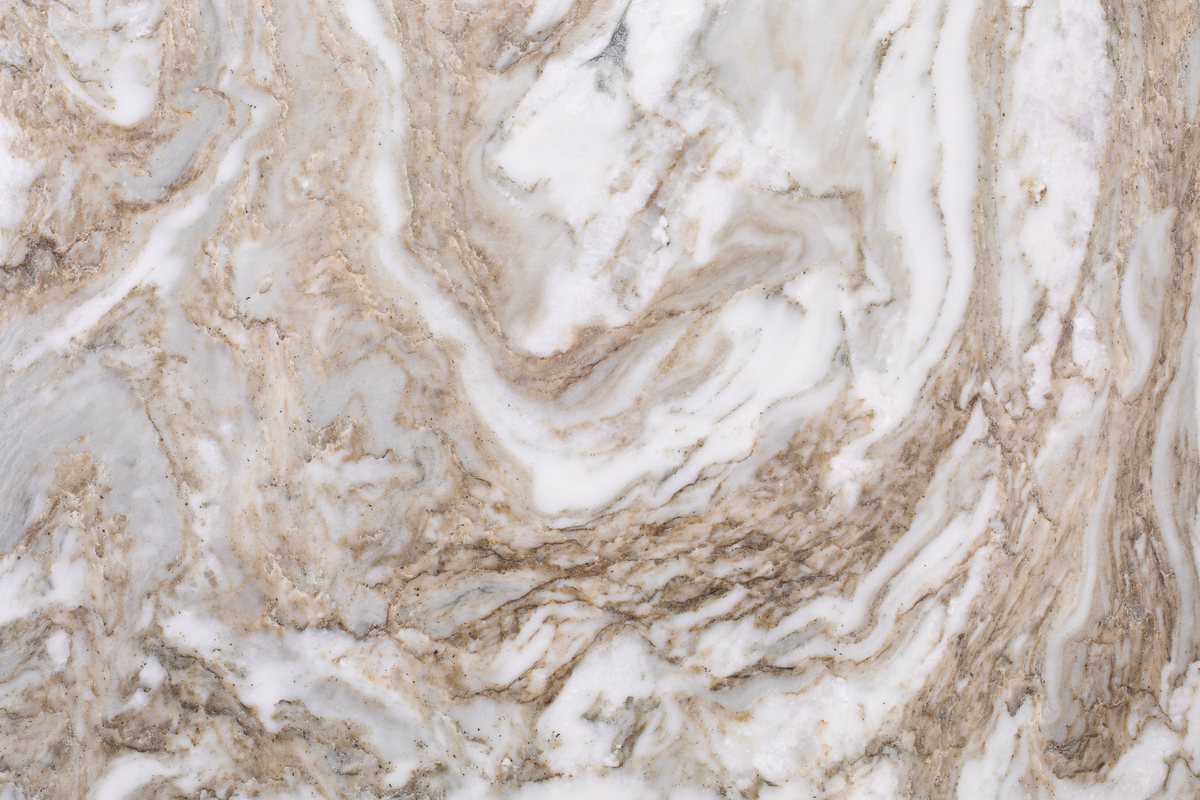
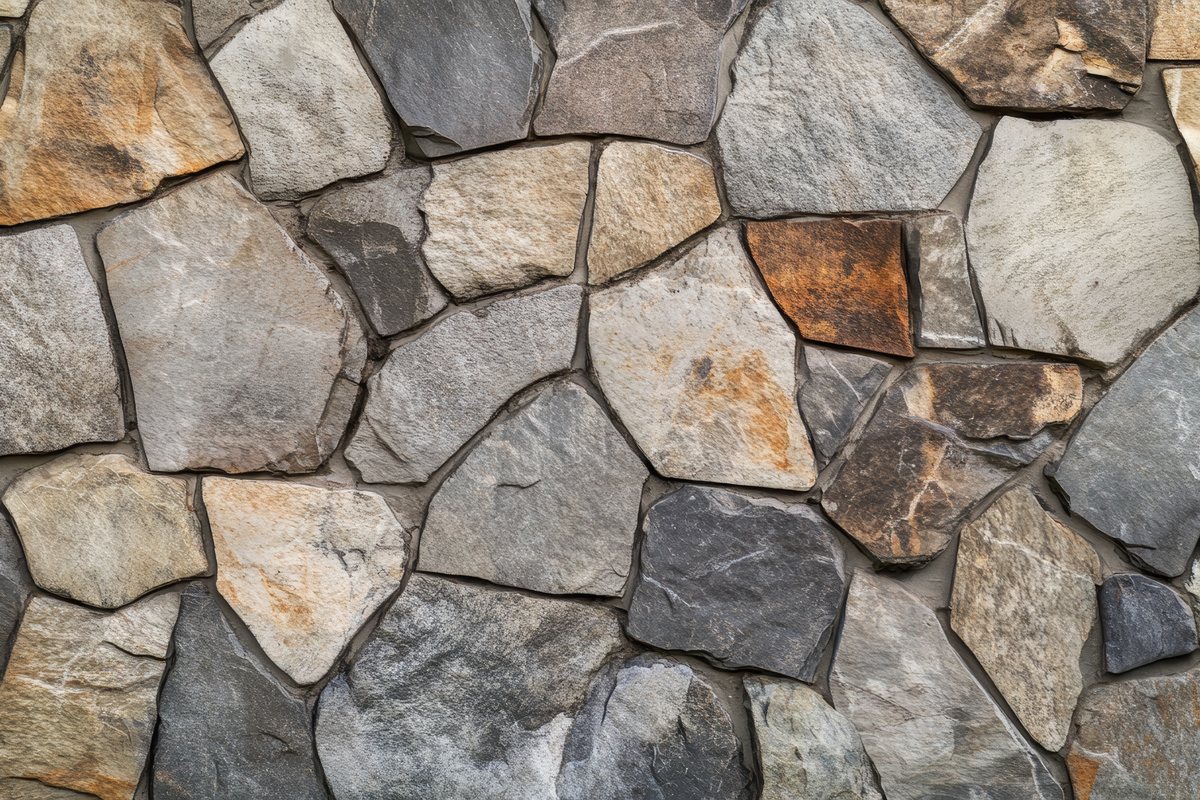
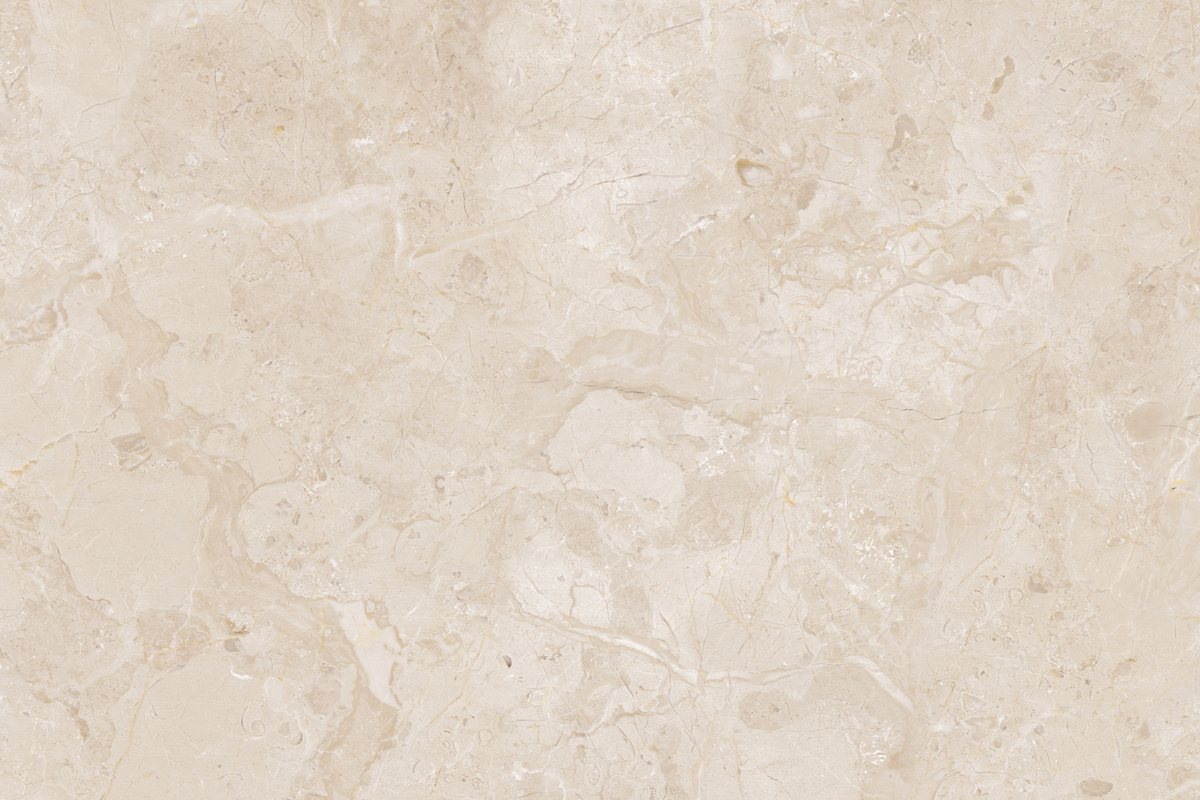
From dingy and worn to polished and pristine, our deep cleaning brings natural stone back. On travertine, marble, granite, or limestone, we gently lift years of residue and discoloration to reveal the original texture and vibrancy beneath.


.jpeg)
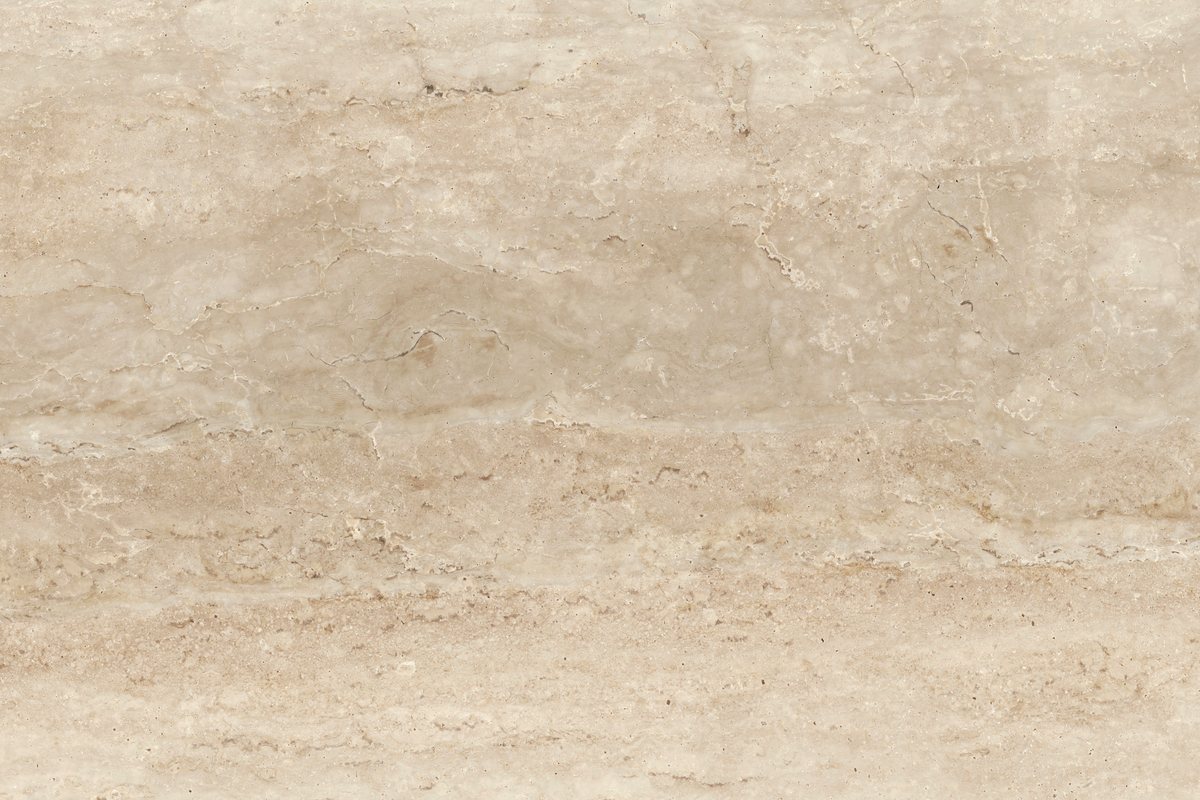
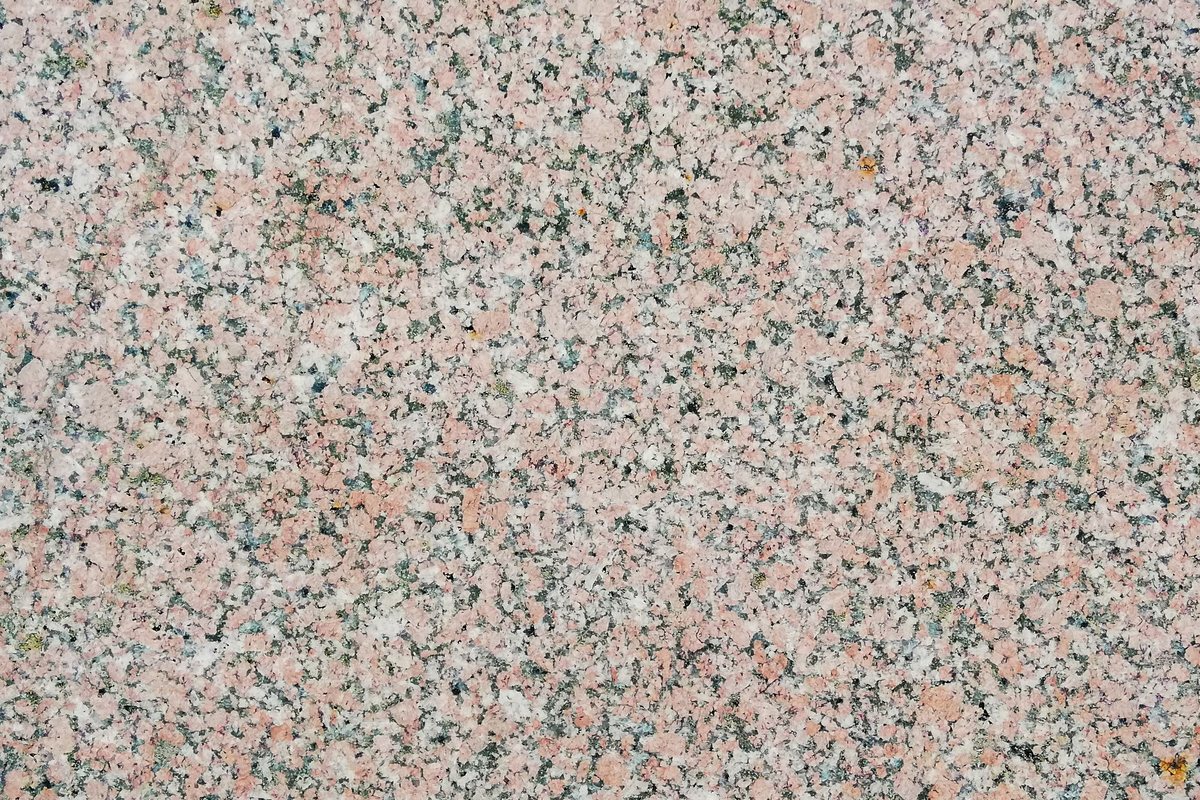
Marble, travertine, granite, limestone and more. We restore and protect every type of natural stone with expert precision.


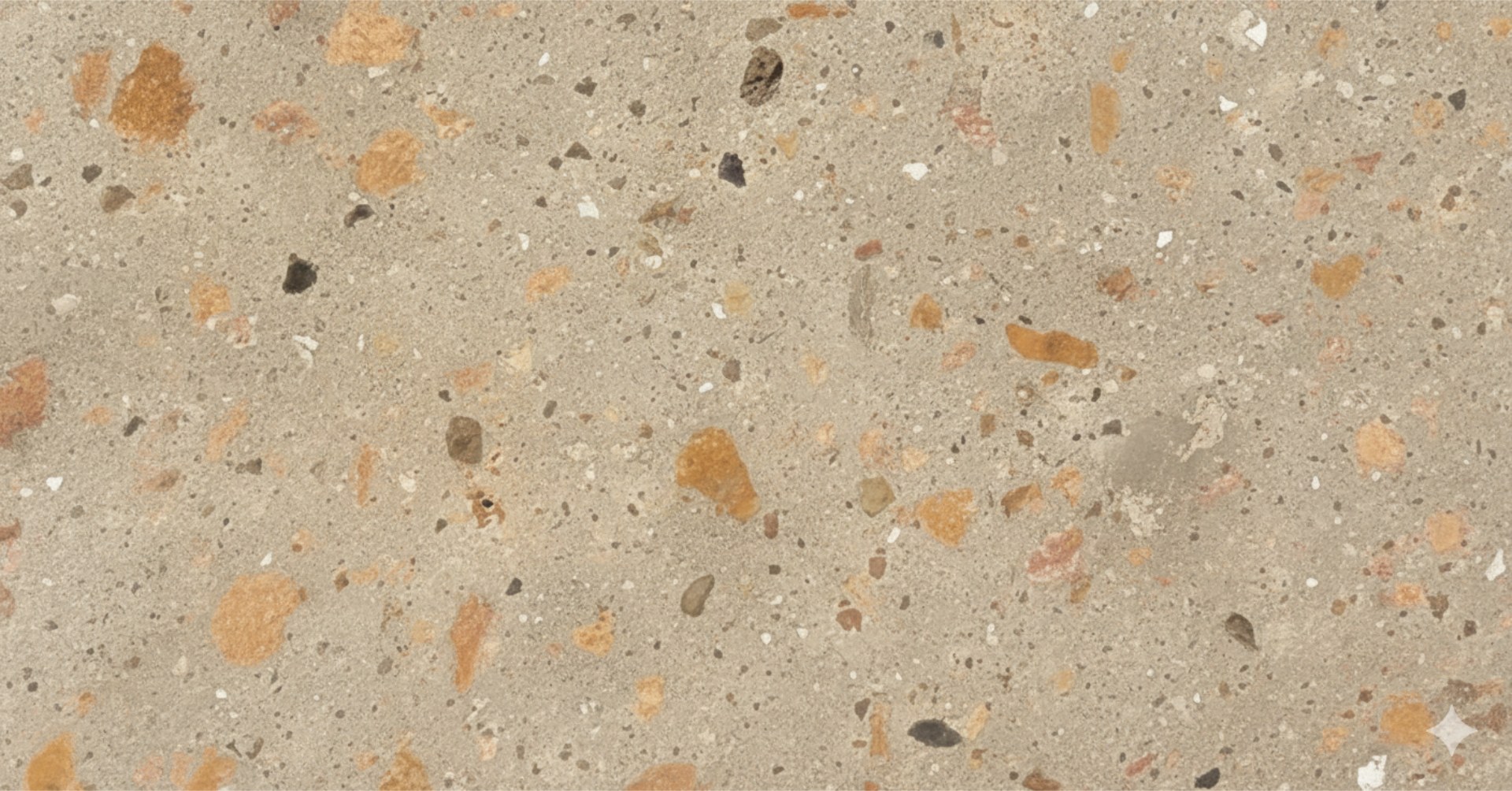

Have questions? We’ve got answers. Learn more about our process, services, and what to expect when you work with Arizona’s leading stone and surface care experts.
Does terracotta need to be sealed?


Can you clean old or heavily soiled terracotta?
Will professional sealing change the look of my terracotta?
Why has my terracotta floor turned yellow and cloudy?
Layers of old wax and topical sealer yellow, cloud, and trap dirt underneath as they age. Stripping removes the coatings, deep cleaning lifts the grime they trapped, and a fresh sealer goes on clean clay.
Do you restore terracotta patios and covered outdoor floors?
Yes. Terracotta patios and covered outdoor floors follow the same sequence as indoor floors: strip failed coatings, deep clean, repair chips and grout, and seal with products made for outdoor use.
How should I mop terracotta so I do not damage the sealer?
With a pH-neutral cleaner and a damp mop, not a soaking one, since terracotta absorbs water. Skip acids, bleach, and abrasive pads. They wear through the sealer and into the clay. Blot oil and wine spills quickly, and watch for darkening under water, which means the sealer is wearing through.
What is the white powder on my terracotta floor?
Efflorescence: mineral salts carried up through the porous clay by moisture. Deep cleaning removes it, and sealing slows moisture movement so it is less likely to return.
.png)





 Scottsdale