

Stone, Tile and Grout Services in Scottsdale and Greater Phoenix
Trusted solutions to restore, protect, and enhance your floors, counters, and surfaces with precision and care.

_converted.avif)
.avif)
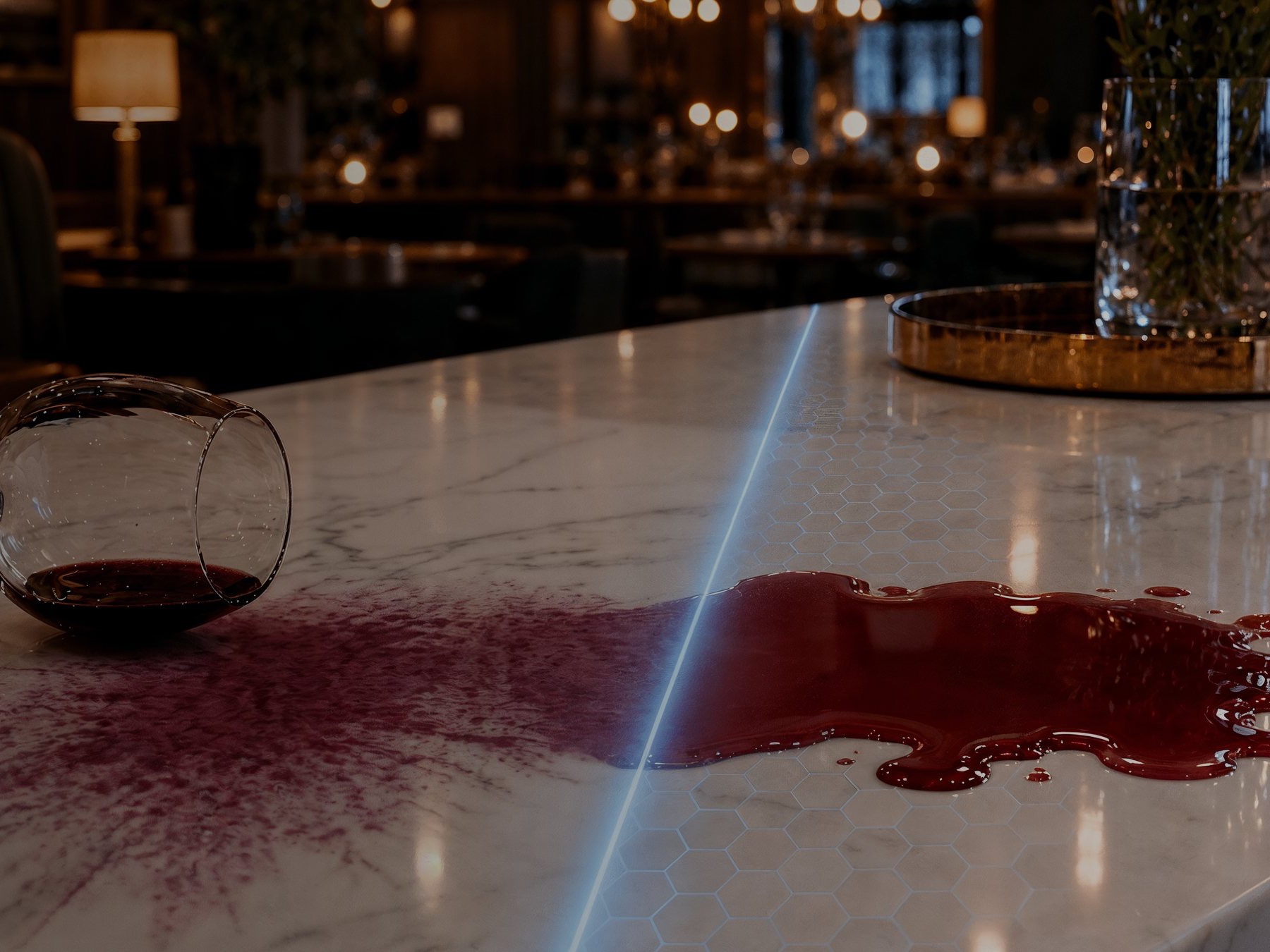
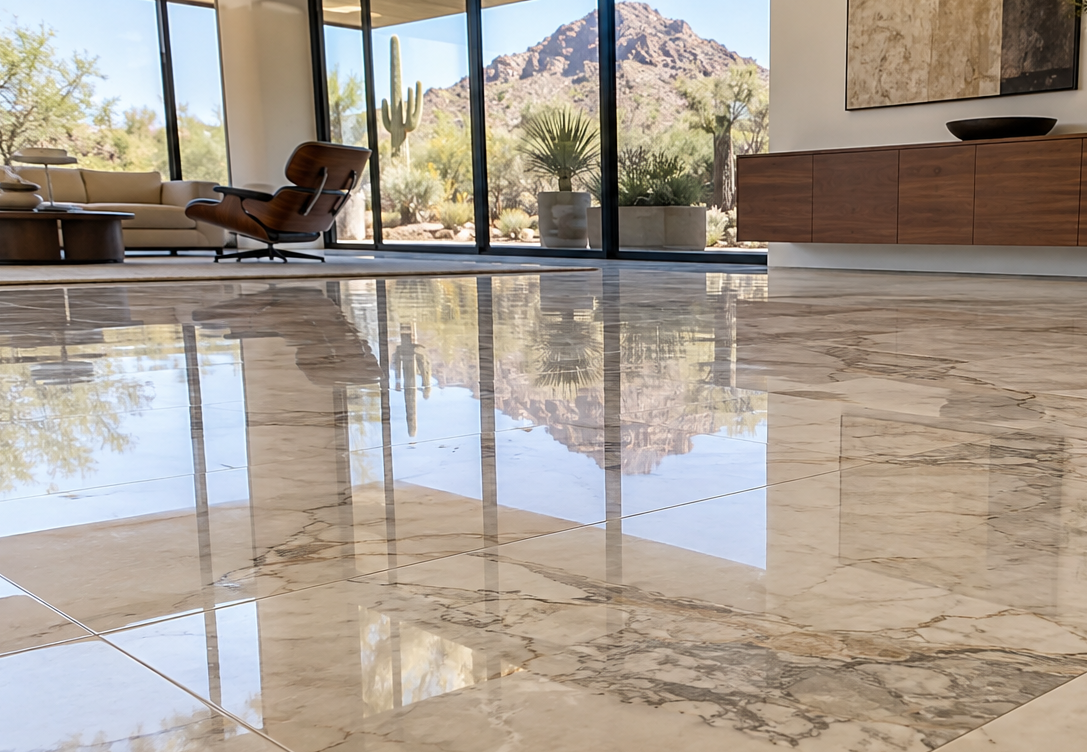
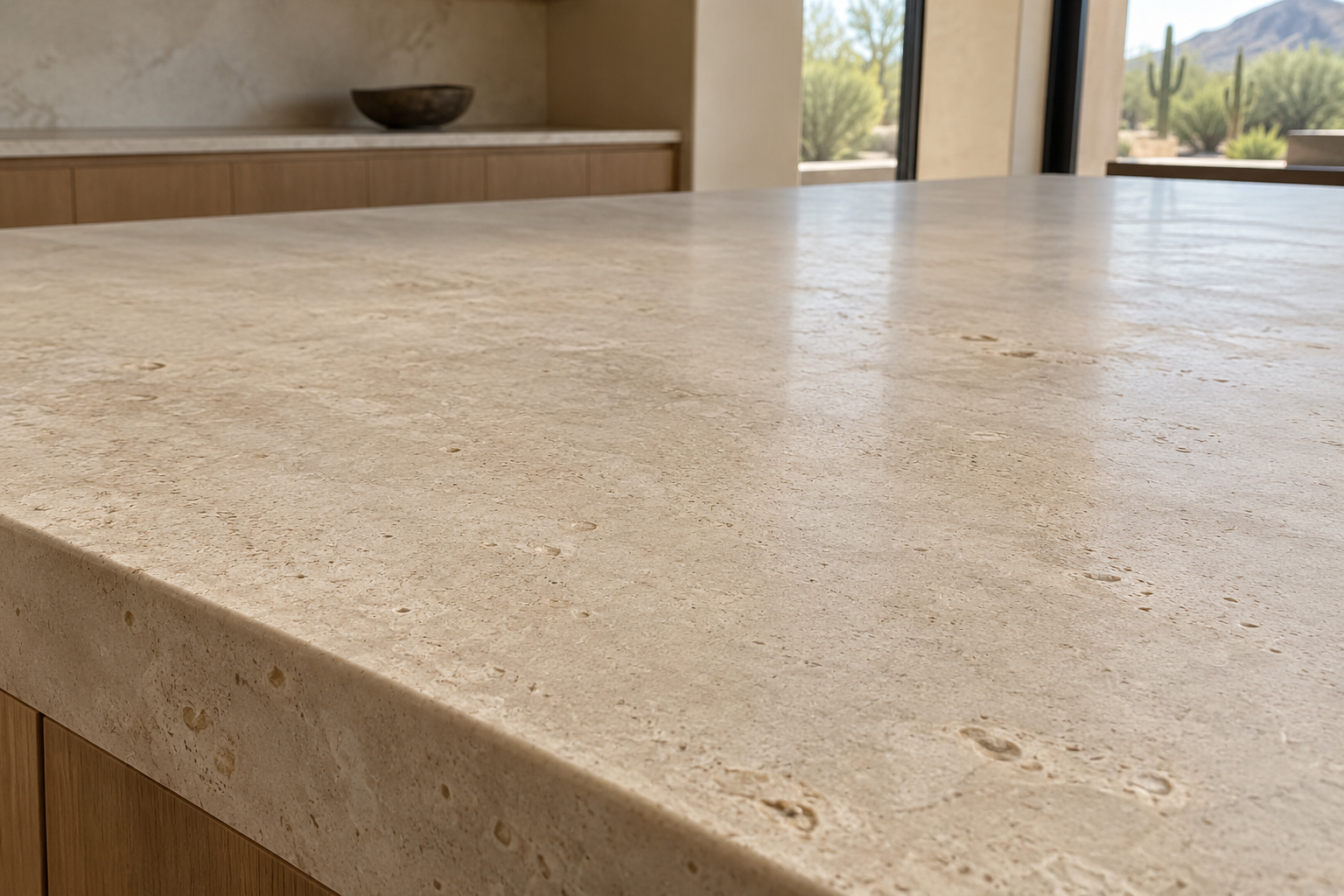
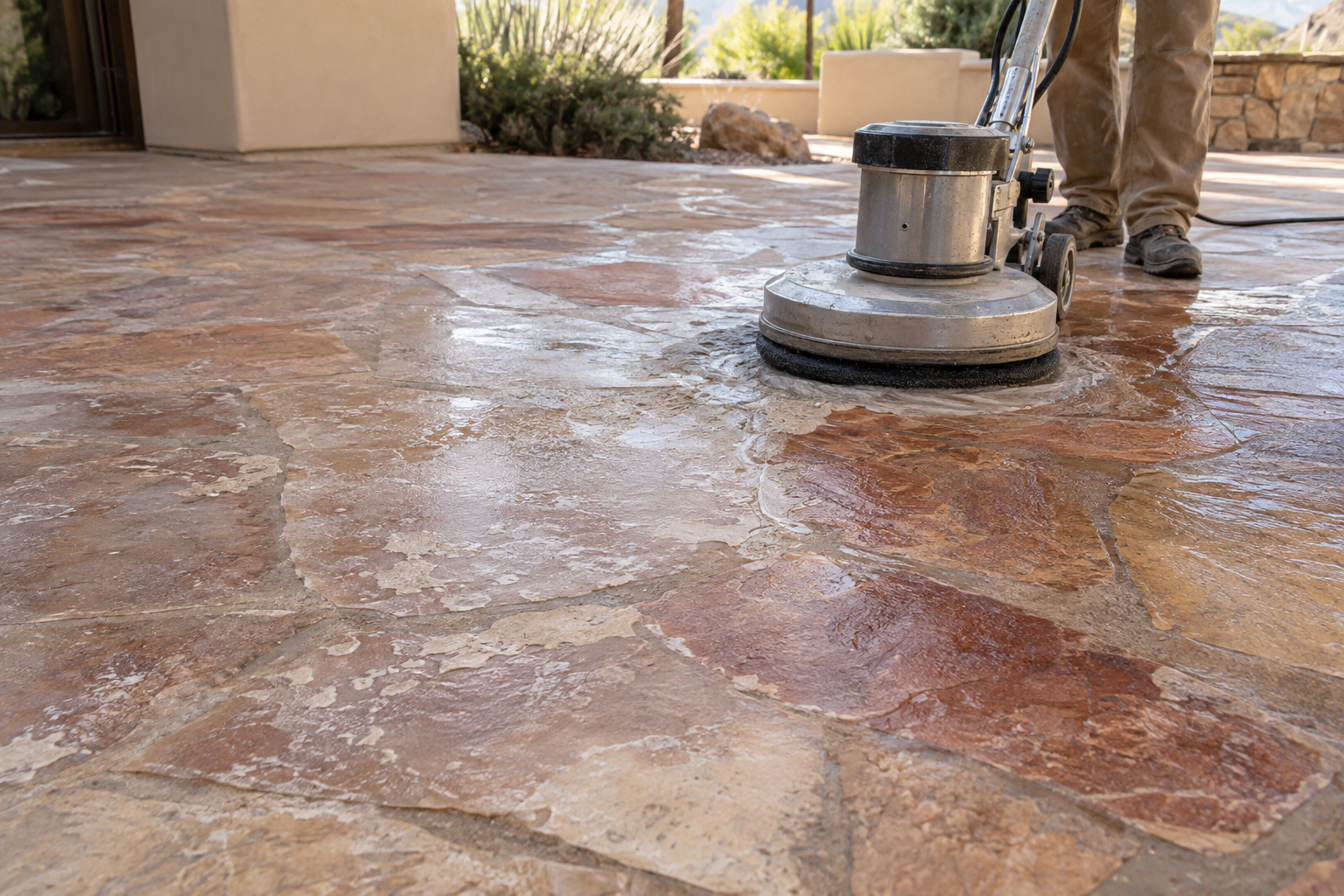
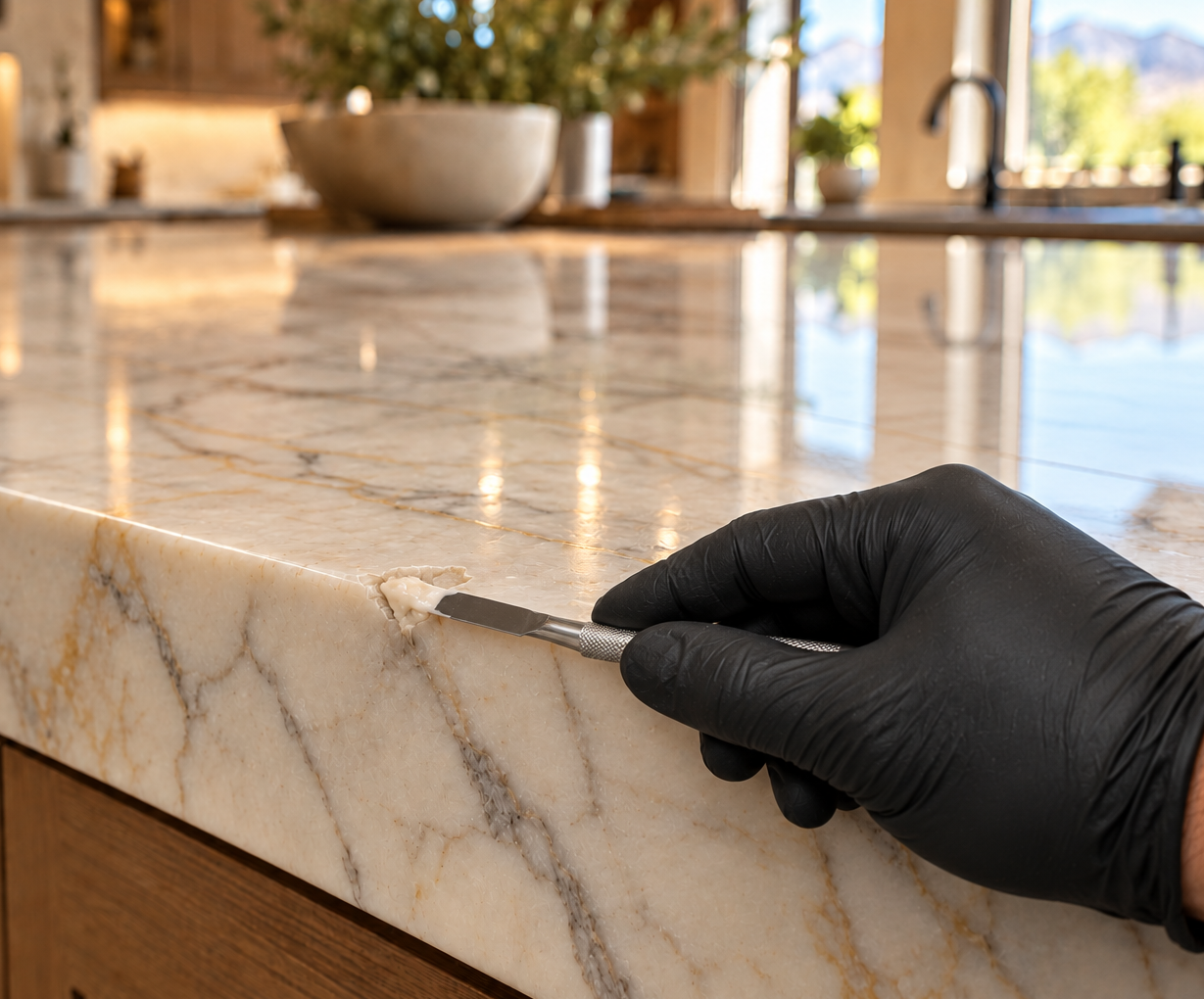



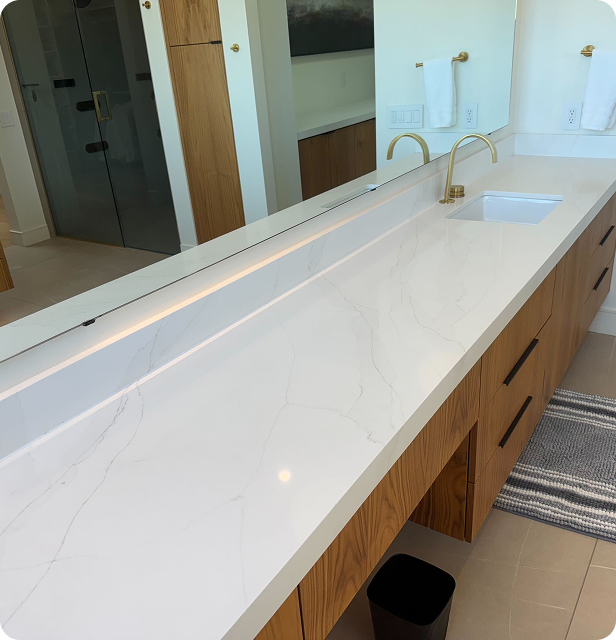
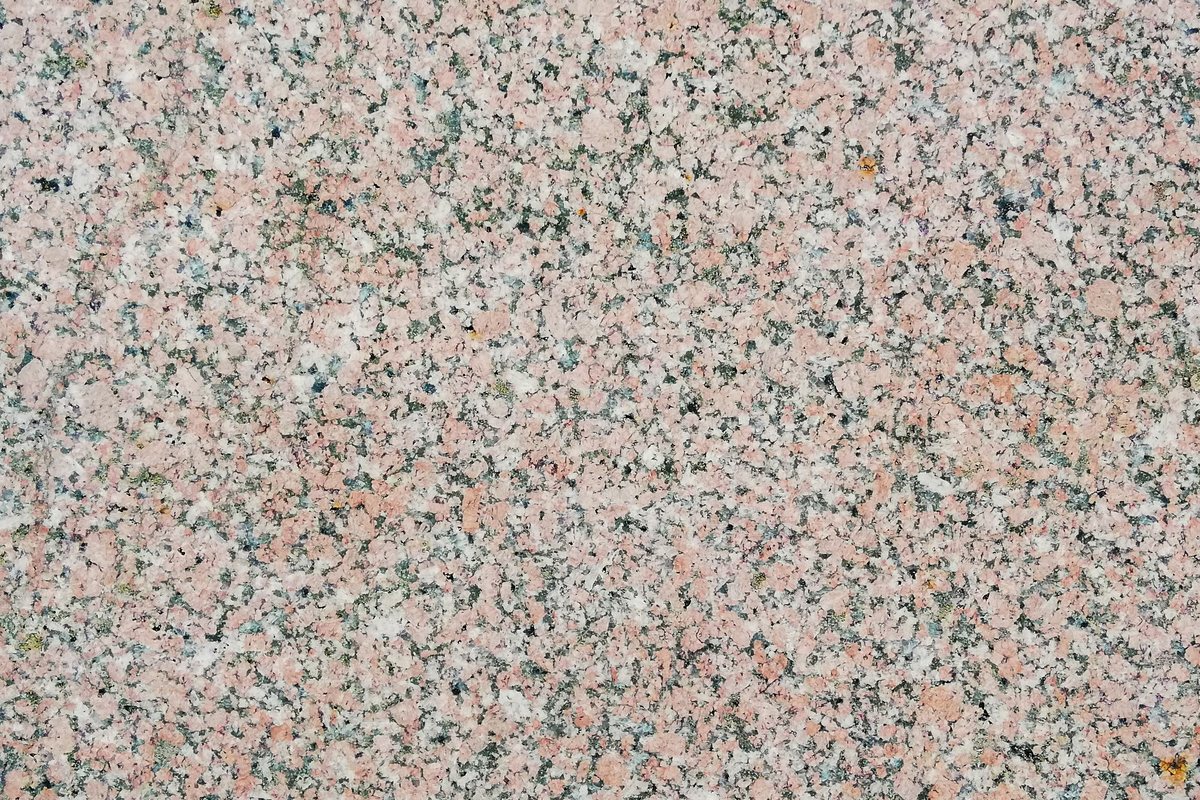
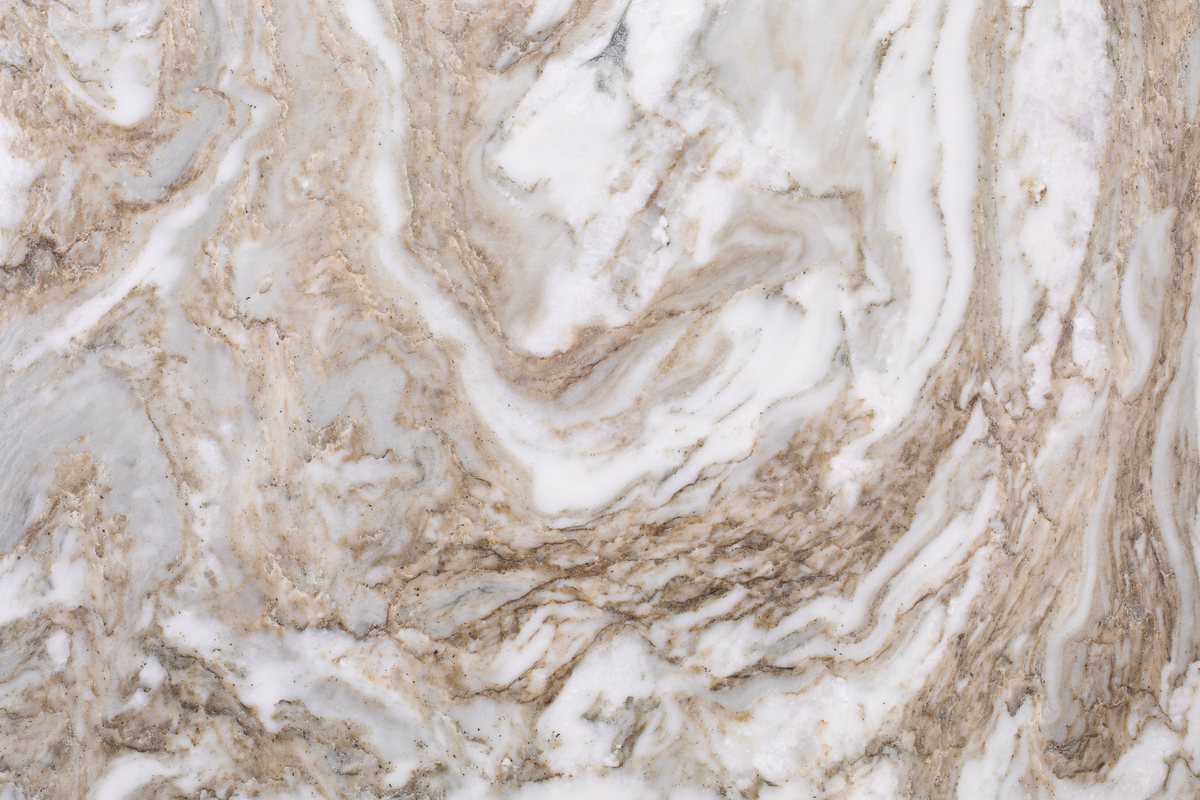
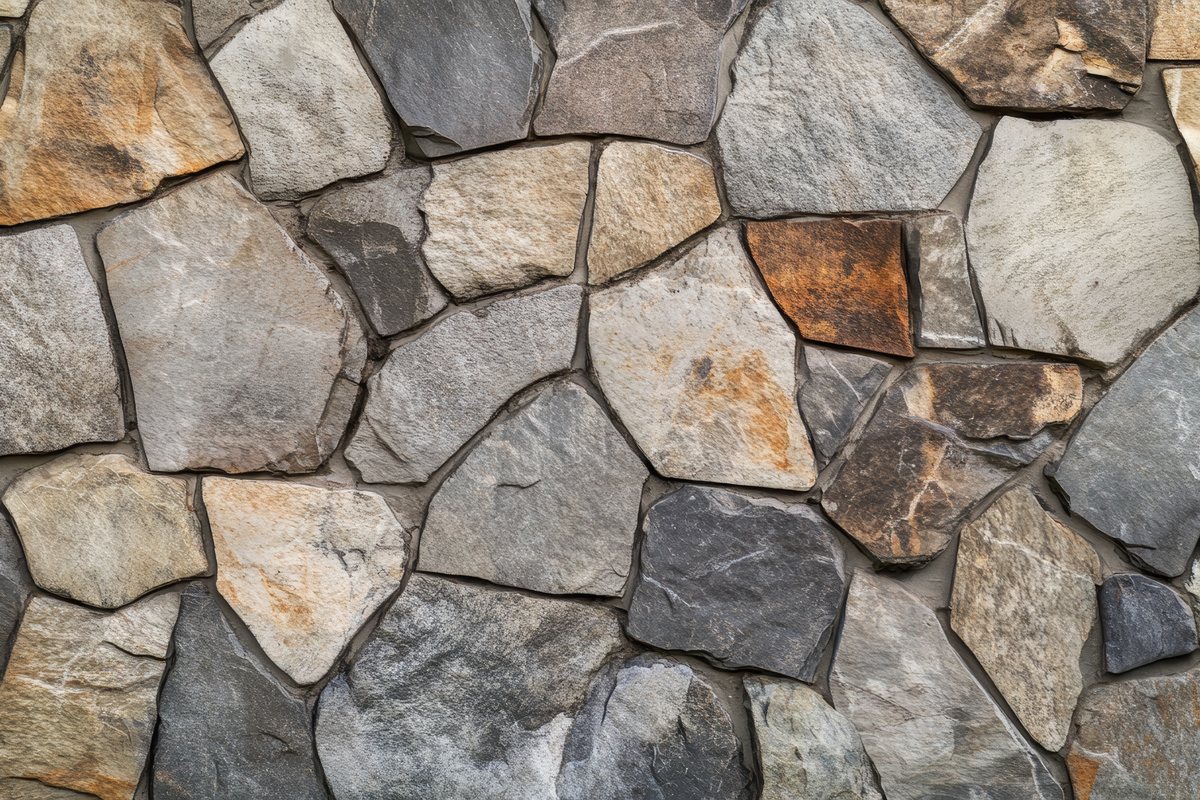
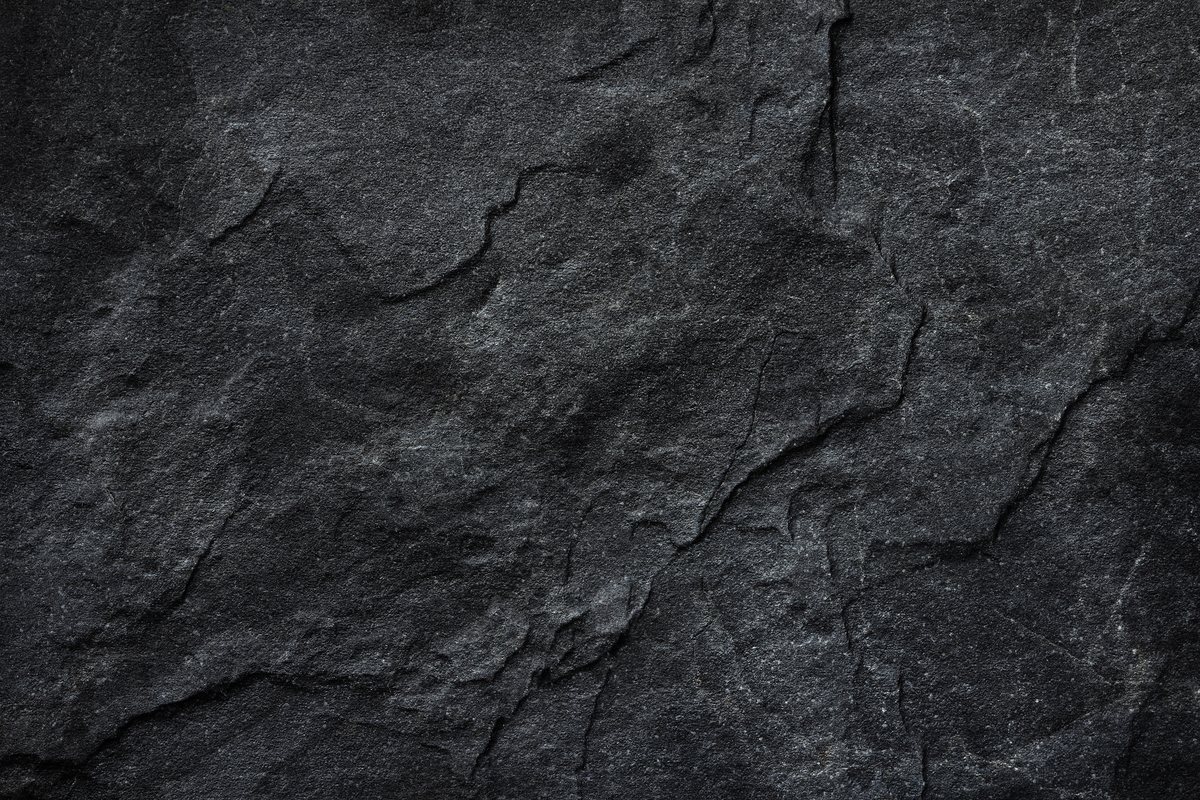
Marble, travertine, granite, limestone and more. We restore and protect every type of natural stone with expert precision.
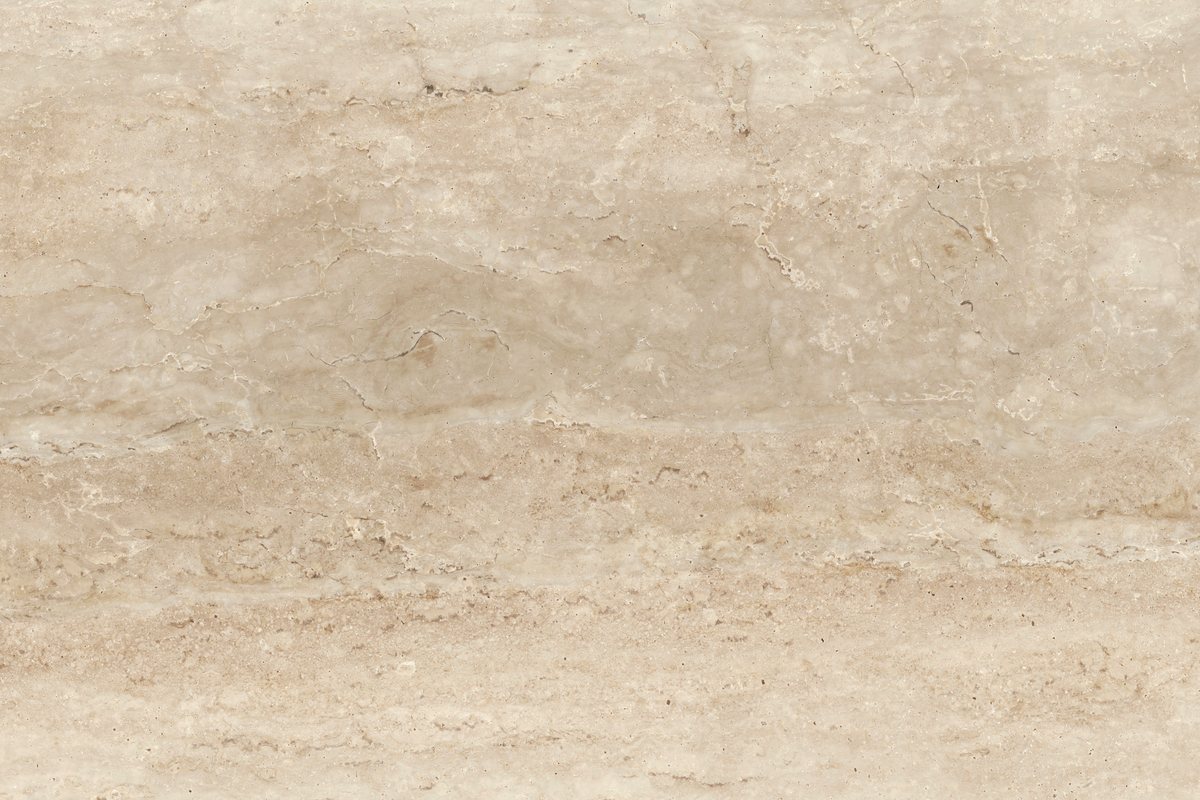

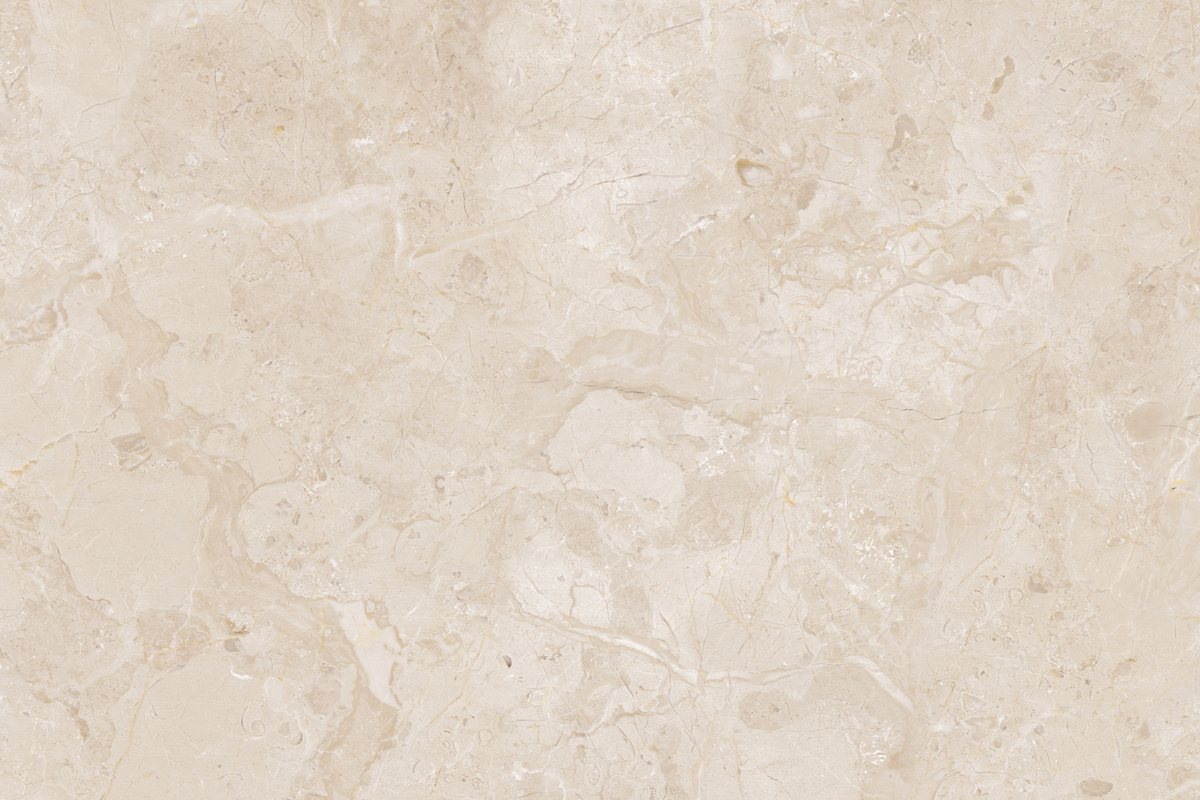
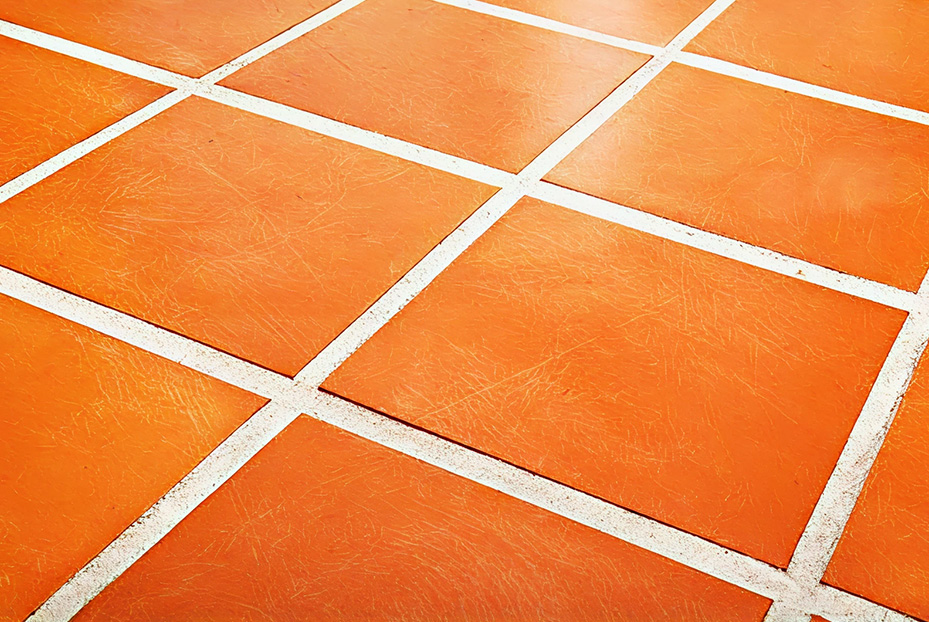



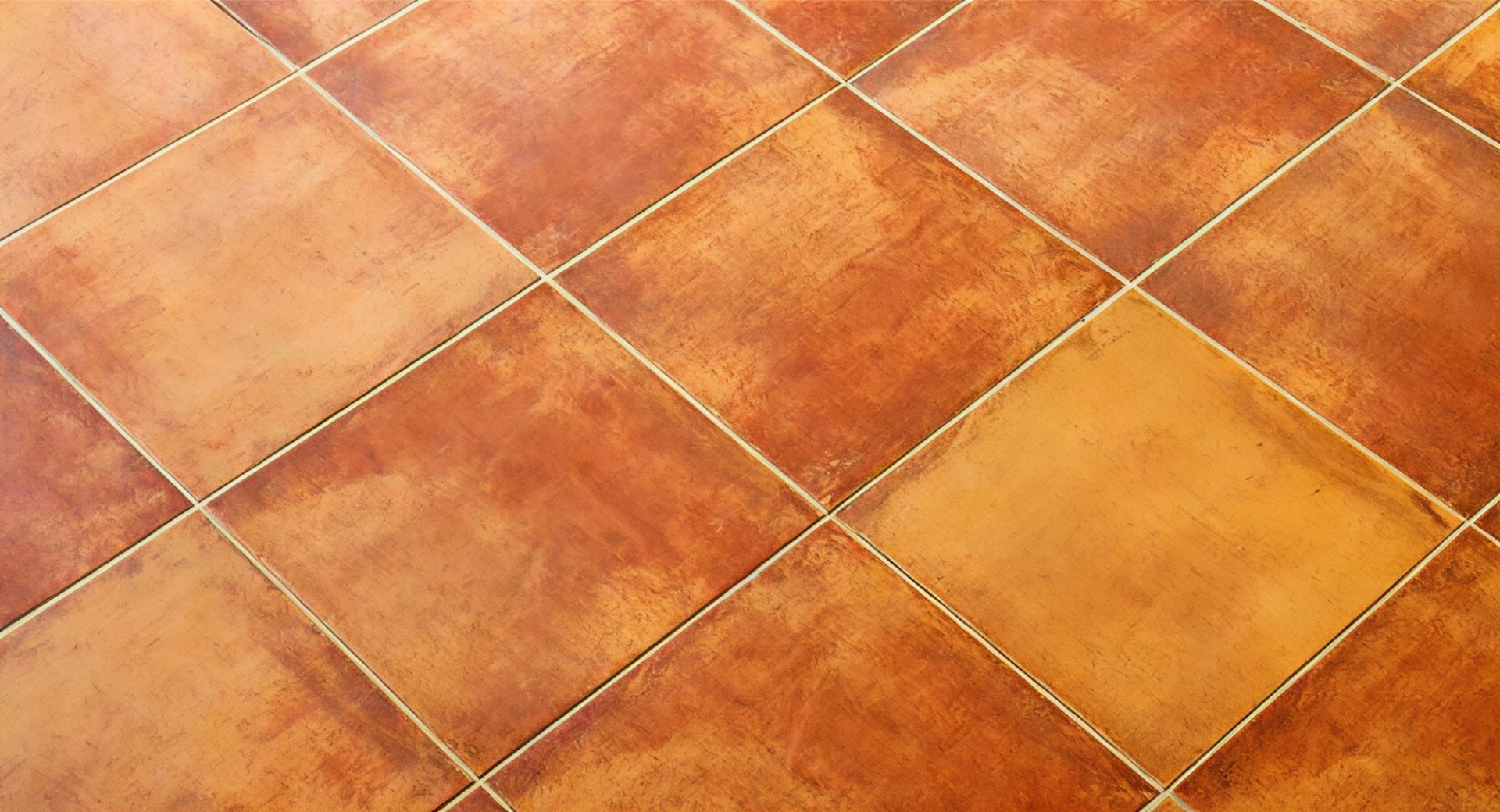
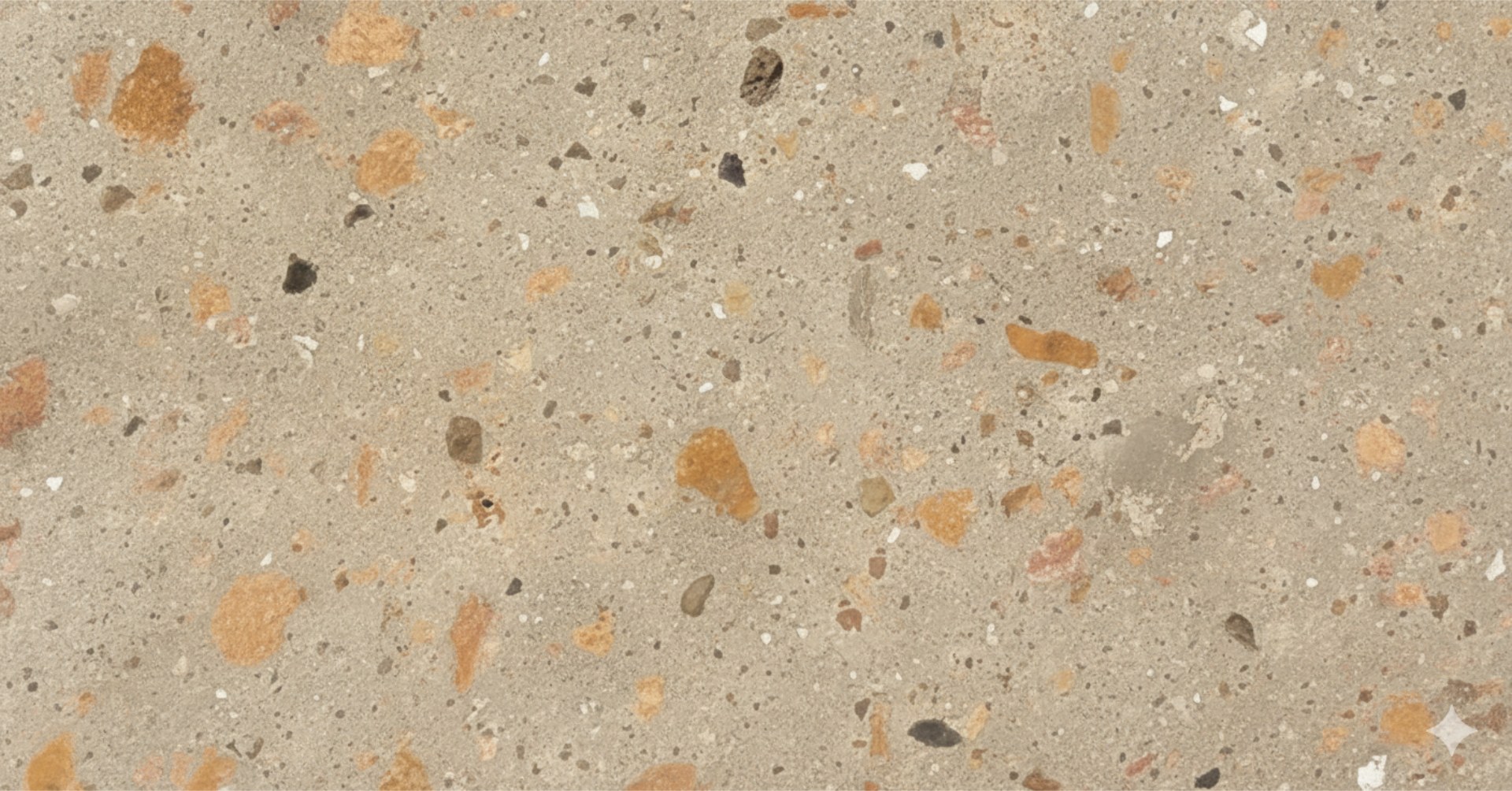


Cleaning is the right answer when soil is sitting in or on the surface, and the wrong answer when the surface itself has been damaged. Knowing which one you are looking at saves a service call, so here is how we sort it on site.
Soil in the stone is what cleaning is for. Travertine has natural pits from the way it formed, and grout is porous by design. Both collect soil that a mop slides straight over, which is why a floor can look grubby right after it was cleaned. We clean with truck-mounted equipment using heated water and dirty-water extraction, so what comes out of the pits and grout lines leaves the house instead of settling back in. Water temperature varies by surface type.
Etch marks and scratches are not a cleaning problem. An etch is a dull spot where an acid dissolved a microscopic layer of the stone, and a scratch is a groove cut into it. Both are missing stone, so no cleaner refills them. Run a dry fingertip across the mark: if it feels duller or rougher than the stone beside it, the answer is honing and refinishing rather than cleaning.
Grout that has lost its color splits three ways. Surface soiling comes off with standard cleaning. Pigment absorbed into the grout needs aggressive cleaning and sometimes color sealing. Color that has been worn or bleached away does not come back with any cleaner, and color sealing or re-grouting is what restores it. We would rather tell you that up front than clean it twice and leave the patchiness there.
Sealing comes last for a reason. Sealing over trapped soil locks the soil in, and sealing damp stone keeps the sealer from bonding, so we clean first and seal only on fully dry stone. A sealer slows absorption, which is real protection against staining. It does not prevent etching, because etching happens at the surface, above where the sealer lives.
Get answers to common questions about our professional cleaning services.
This page collects every service we offer, so the right starting point depends on what the surface is doing. Floors that look gray in the walkways usually need a deep clean and a fresh seal. Etch marks, water rings and dull spots on marble, travertine or limestone call for honing and polishing. A cloudy, peeling or yellowed finish is usually a failed topical coating that needs stripping before anything else. Chips, cracks, holes in travertine and crumbling grout are handled by repair, done in place where possible. Dark grout lines and showers with scale and soap scum fall under tile and grout and shower restoration, and outdoor travertine, flagstone and pavers under patios and pavers. Kitchens with marble or quartzite counters can add RAKU coating, and slick pool decks and tile floors can be treated with anti-slip treatment. We serve Scottsdale, Paradise Valley, Cave Creek, Carefree, Fountain Hills, Phoenix and the surrounding metro, and every estimate is free and in person.
Each stone behaves differently under the same service, so the stone pages explain what to expect for travertine, marble, granite, limestone, quartzite, flagstone, slate, saltillo, terracotta, cantera, onyx, porcelain and quartz. If you are not sure what you have, send a photo with your estimate request and we will identify it on site.
How long does a typical cleaning appointment take?


Do you use eco-friendly or non-toxic cleaning products?
Can you remove deep stains and discoloration?






 Scottsdale