


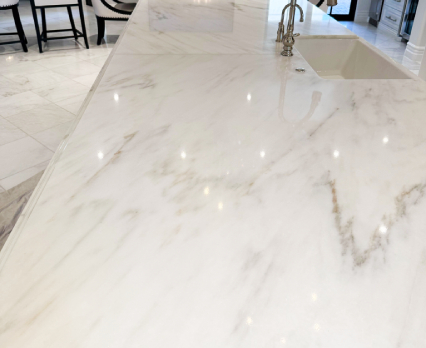
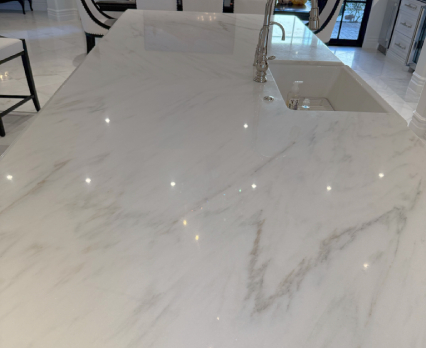
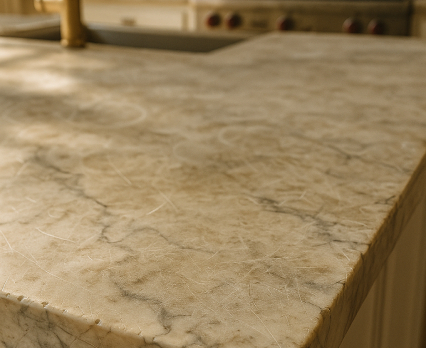
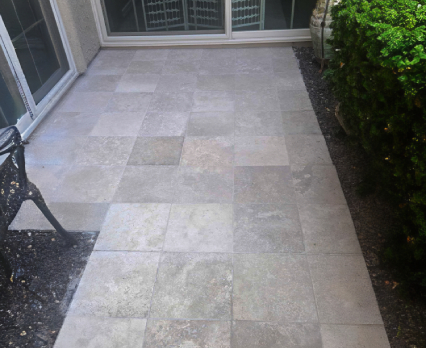
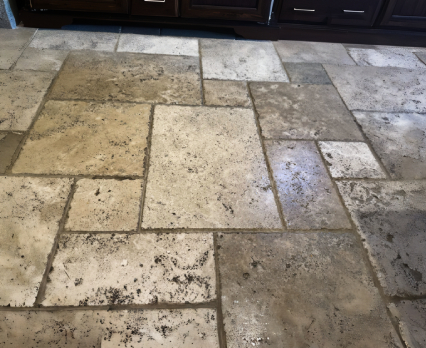
A freshly sealed stone surface looks better and lasts longer. Our application enhances the natural color and texture of your stone while creating an invisible barrier against spills, grime, and weathering. We seal travertine, marble, limestone, saltillo, flagstone, and granite across Scottsdale, Cave Creek, and the surrounding Valley. Patios and pool decks are where sealer works hardest; see how we handle patios and pavers. For countertops, RAKU Coating is the longer-term protection option.

Natural stone is porous, so it absorbs liquids and stains over time. A sealer changes how fast that happens. Here is what to expect from one.
Stone sealing in Scottsdale is quick work when the preparation is right. Your free in-home estimate tells you which of these steps your stone needs.
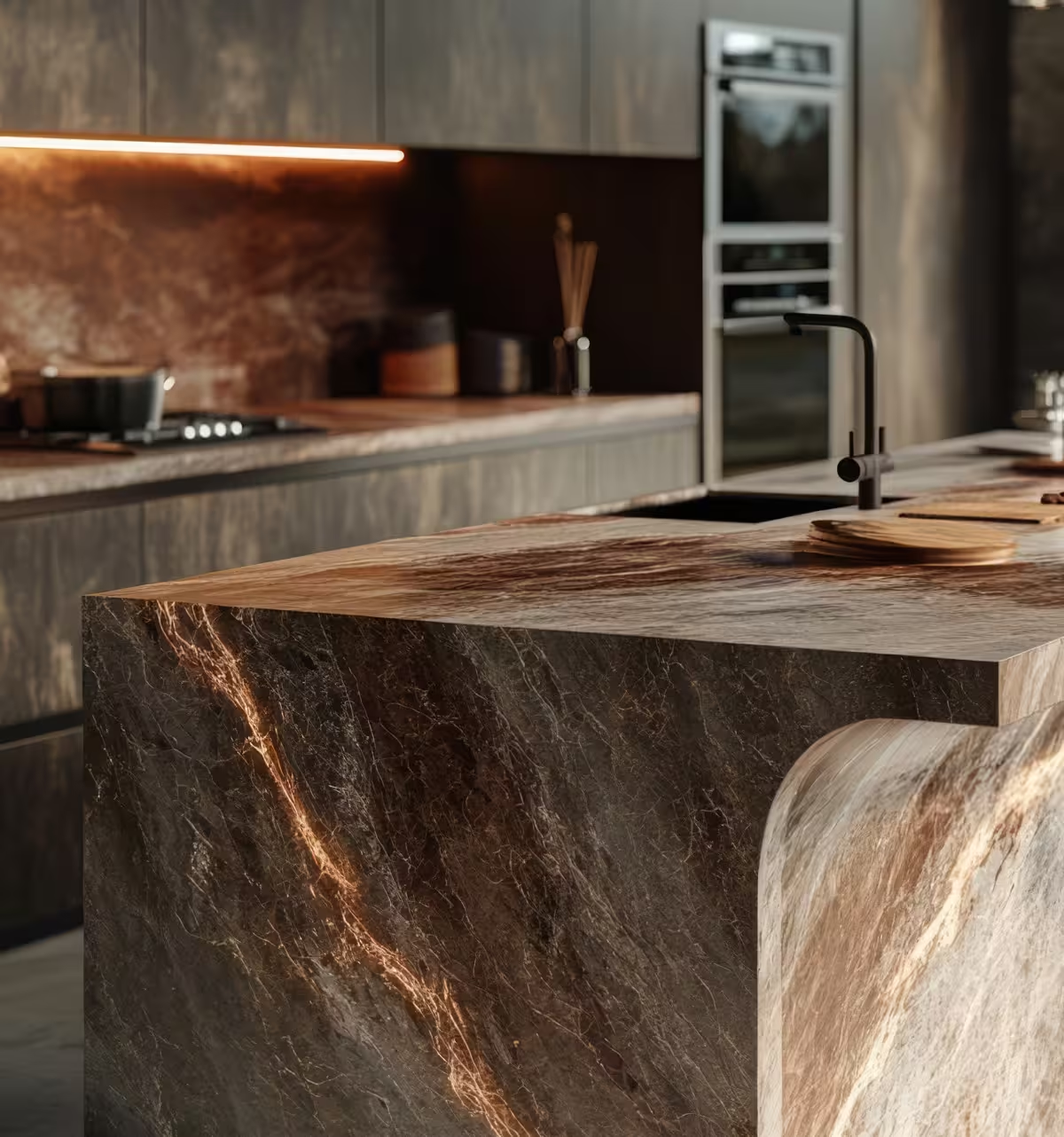
Kitchen counters that see wine, citrus, and daily cooking can go a step further with RAKU coating.
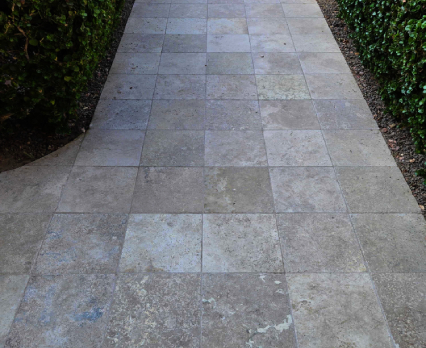
Outdoor stone in the Valley takes sun, sprinklers, monsoon rain, and pool chemicals all year. Sealing a stone patio is the difference between stone that ages and stone that erodes.
We seal travertine pavers, flagstone, cantera, slate, and Saltillo outdoors with products made for exterior use.
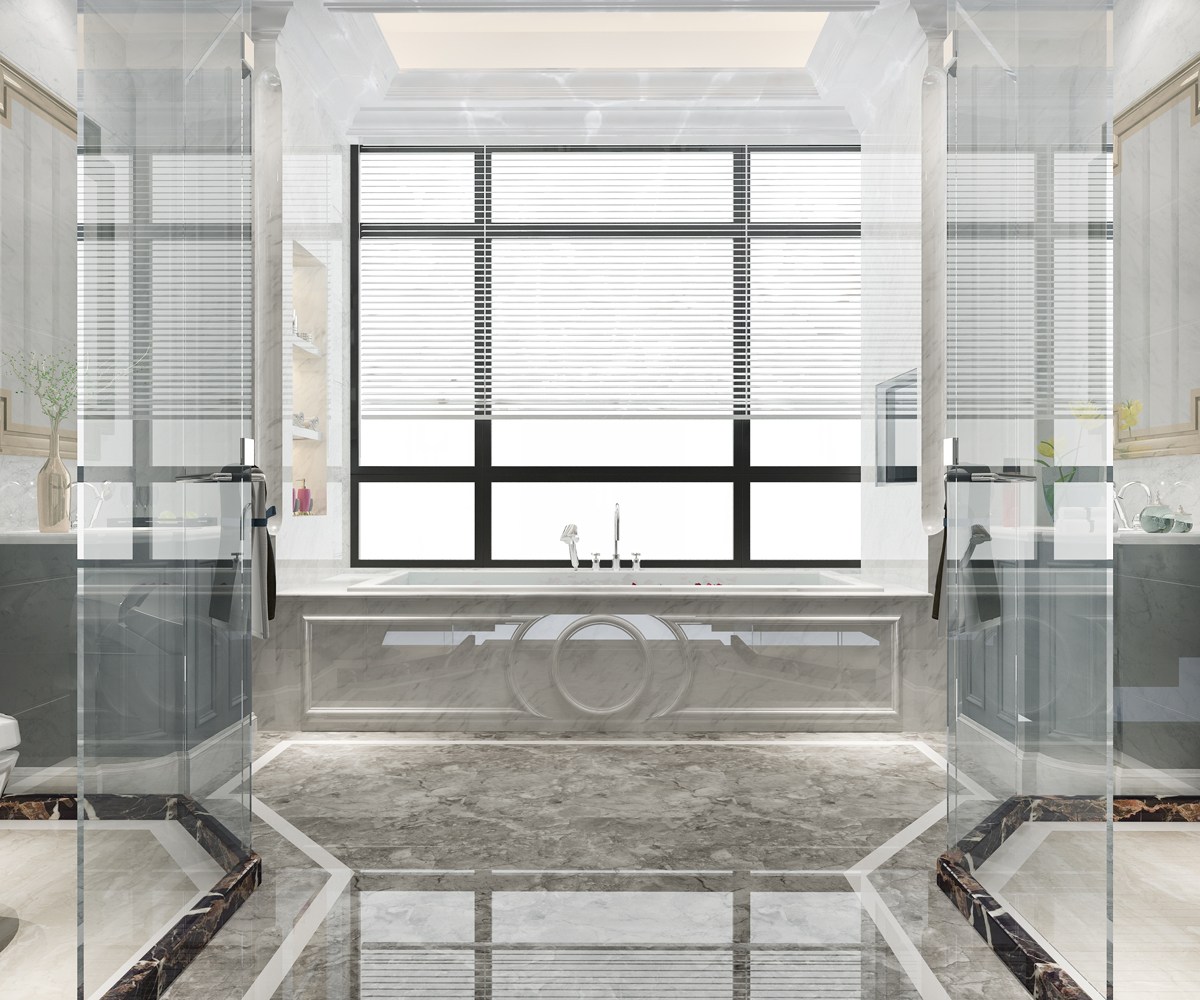
Have questions? We’ve got answers. Learn more about our process, services, and what to expect when you work with Arizona’s leading stone and surface care experts.
Why does my stone need to be sealed?


How long does the sealant last?
Can sealing change the appearance of my stone?
What is the difference between a penetrating sealer and a topical coating?
A penetrating sealer soaks into the pores and works below the surface, so the stone keeps its natural look and feel. A topical coating sits on top of the stone, where it scratches, clouds, yellows, and eventually peels. We seal with penetrating products, and we strip topical coatings off before sealing when a floor has them.
Can stone that was sealed before be sealed again?
Yes. We test the surface with water to see how much protection is left, strip any failing topical coating, clean the stone, and apply a fresh penetrating sealer. Resealing on clean stone is what keeps the protection consistent.
Do granite and quartzite counters need to be sealed?
Most granite does, and quartzite does too even though it is less porous. The water test on the counter tells you where you stand: beading means the sealer is working, darkening means it is due. Quartz is the exception. It is a non-porous engineered surface and does not need sealing.
Does sealing make stone slippery?
Penetrating sealers work below the surface, so they do not add a slick layer on top. Smooth stone is slippery when it is wet either way, which matters around pools. Where that is a concern, anti-slip treatment adds traction with almost no change in how the stone looks.

Surfaces Restored
google rating
years of COMBINED Industry EXPERIENCE
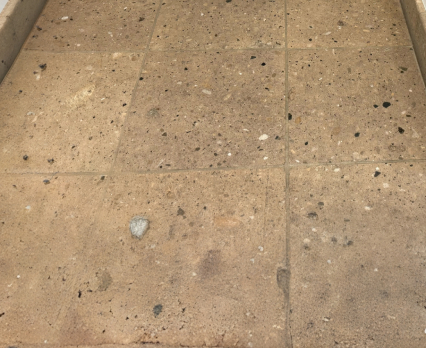
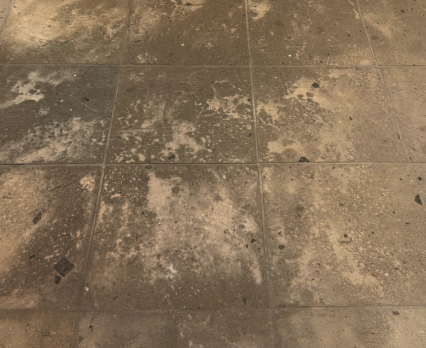
See the results for yourself. Our cleaning, polishing, and sealing services bring worn, stained, and dull surfaces back to life, with results you can see and trust.








-p-1080_converted.avif)
.jpeg)






 Scottsdale