


Marble is calcium-based, so anything acidic marks it, and its polished surface shows every scratch. These are the five reasons Valley homeowners call us about marble.

Marble restoration follows a sequence, and the finish you already have decides the steps. Honed, polished, and tumbled marble each get a different approach, and your free in-home estimate spells out which steps your stone needs.
Marble shower walls and vanity tops respond especially well to honing and polishing, and kitchen counters get the same etch removal before they are sealed or coated.
Polished marble stays polished when acids and grit stay off it. Four habits do most of the work.


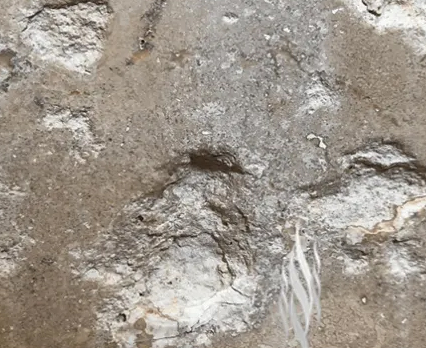

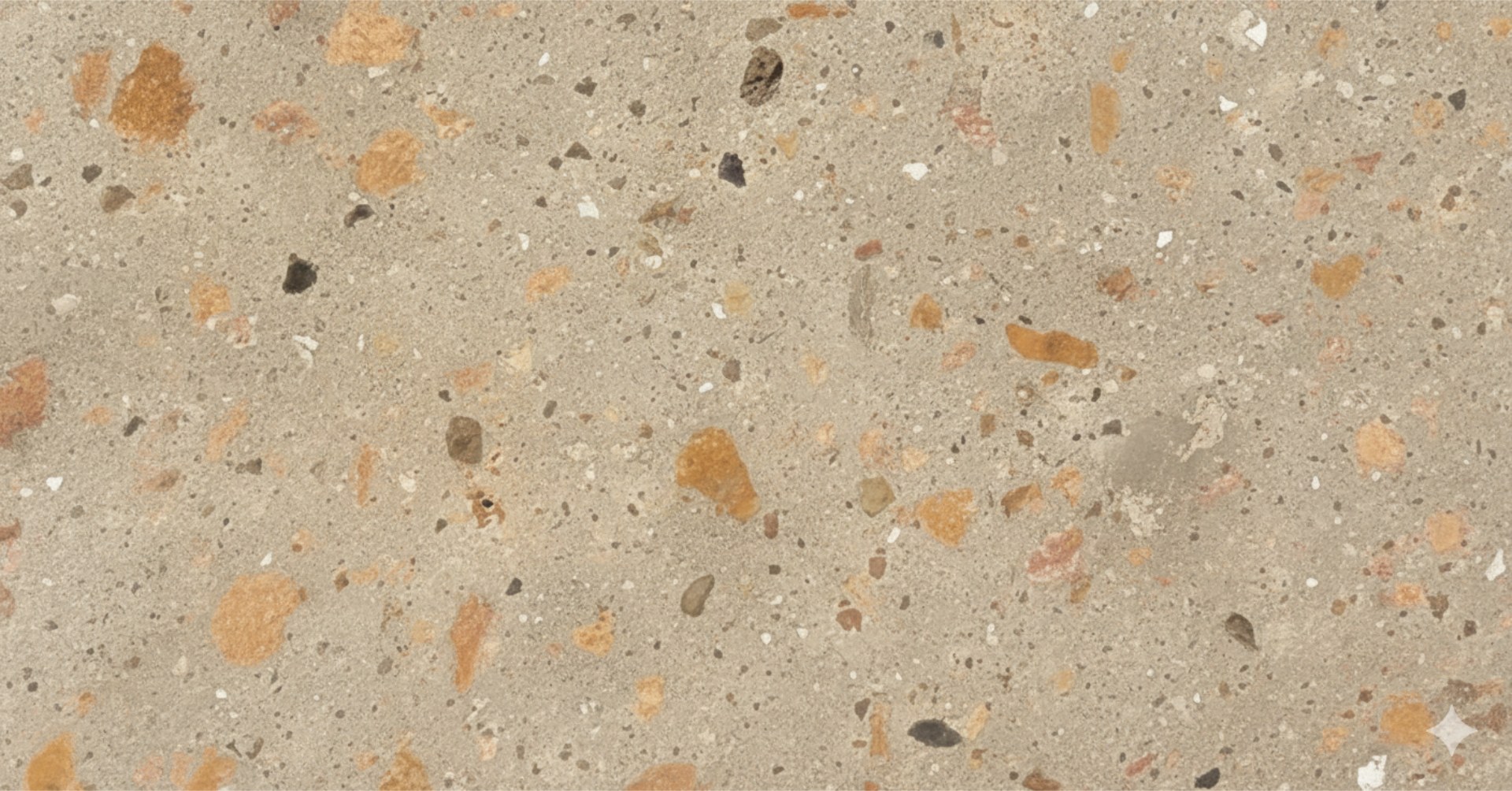
From dingy and worn to polished and pristine, our deep cleaning brings natural stone back. On travertine, marble, granite, or limestone, we gently lift years of residue and discoloration to reveal the original texture and vibrancy beneath.


.jpeg)
Marble, travertine, granite, limestone and more. We restore and protect every type of natural stone with expert precision.
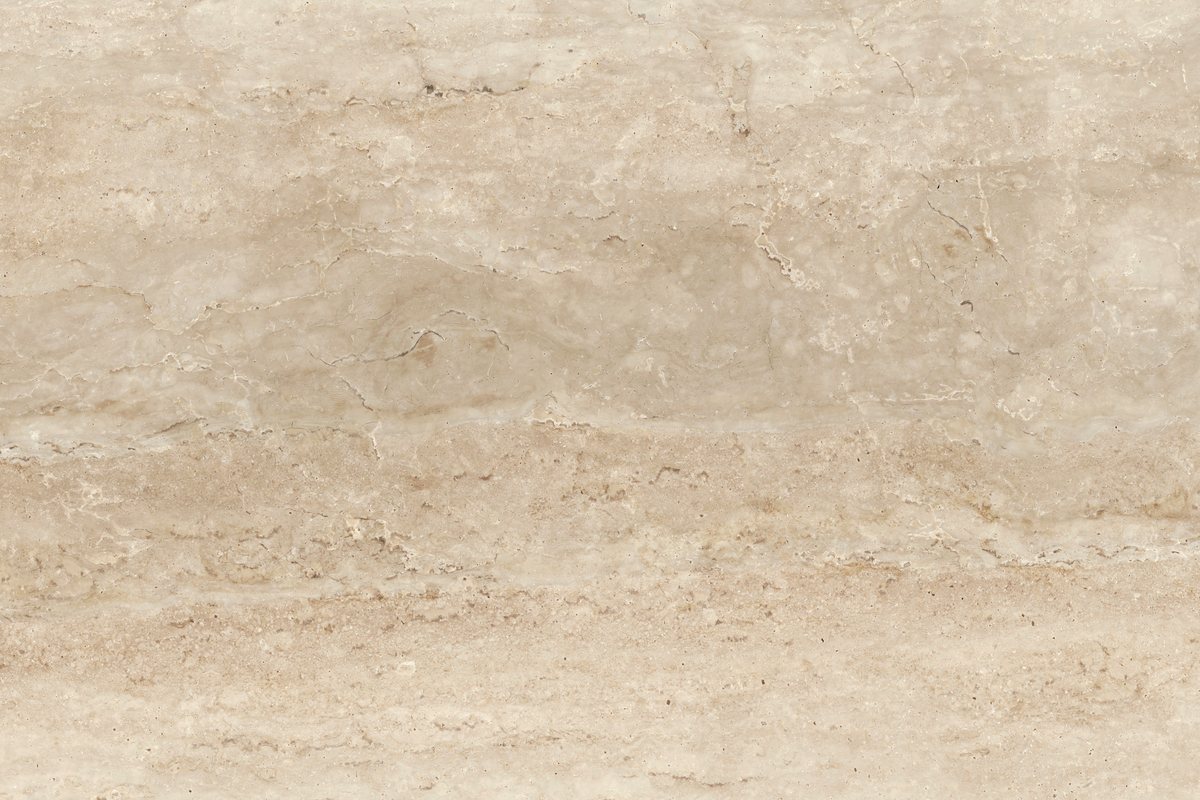


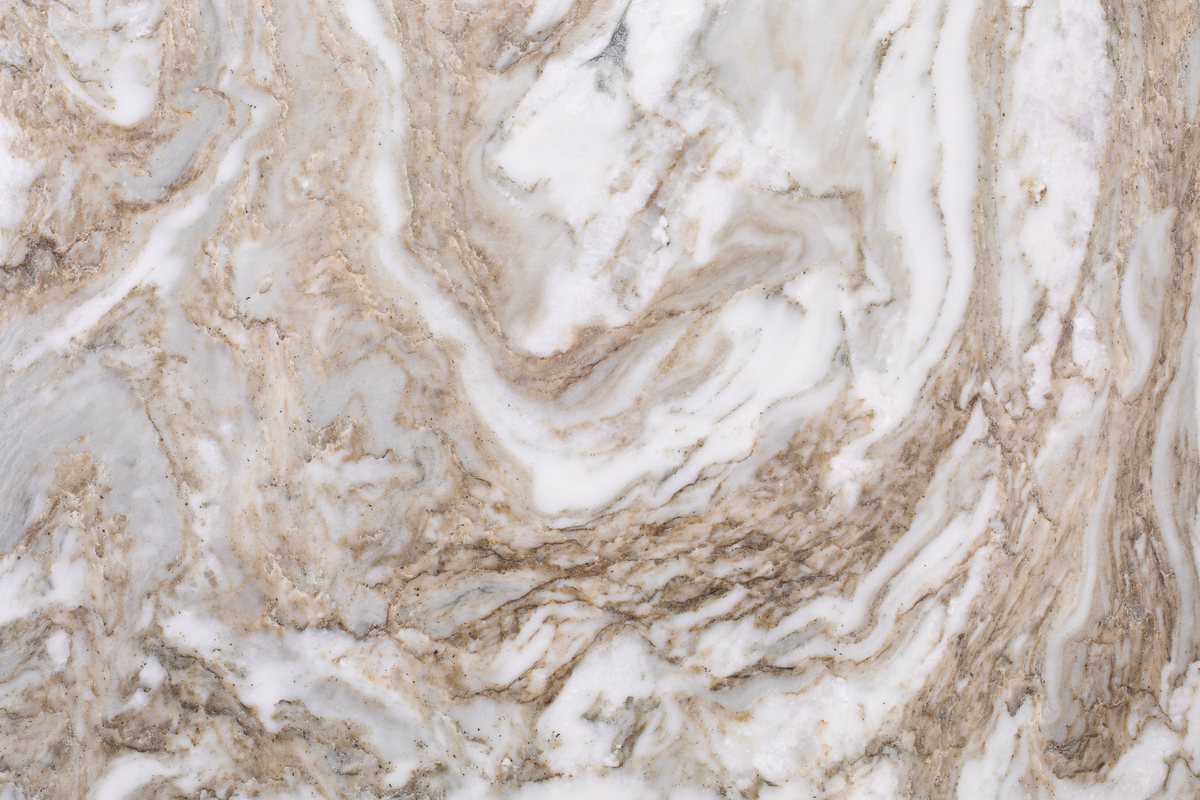
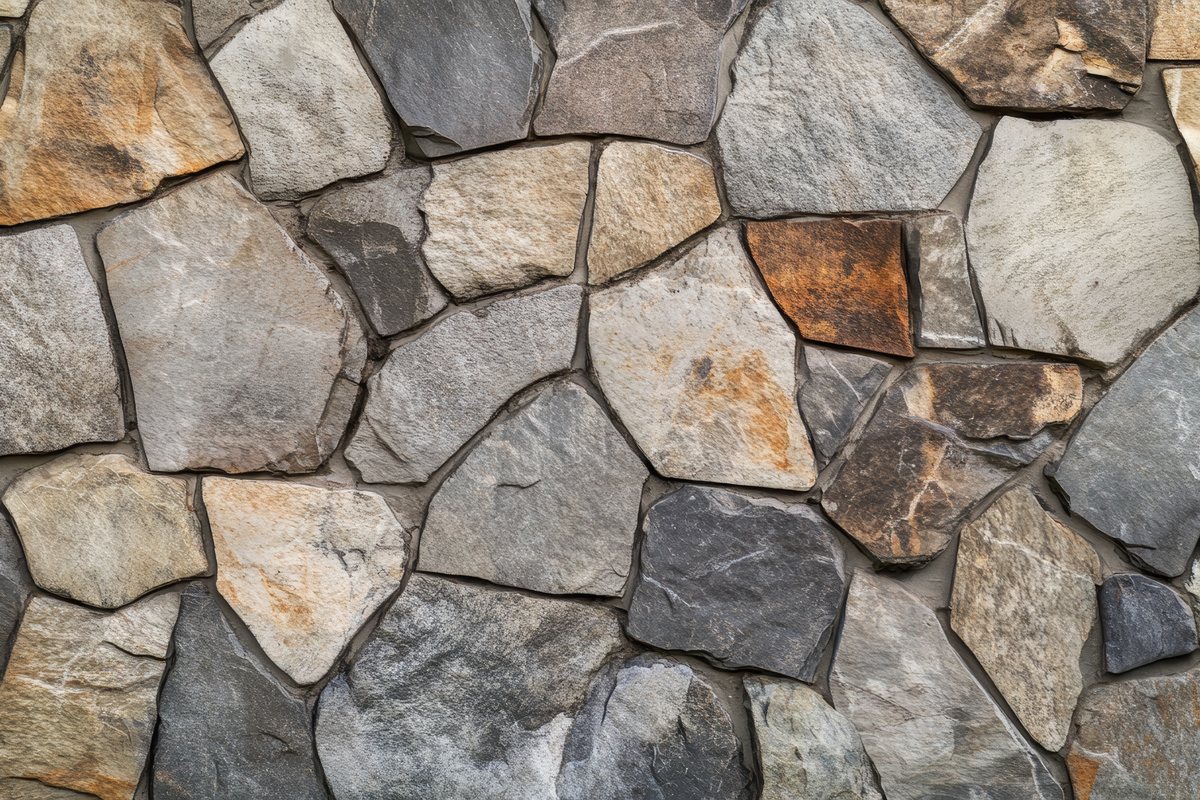




Have questions? We’ve got answers. Learn more about our process, services, and what to expect when you work with Arizona’s leading stone and surface care experts.
How do you remove etching or dull spots from marble?


Can marble floors or counters be sealed to prevent damage?
Is marble polishing safe for delicate finishes?
Why do the traffic lanes on my marble floor look dull while the edges still shine?
Grit tracked in from outside scratches the polish where people walk, so entries, kitchens, and hallways lose their shine first while the edges of the room stay bright. Marble floor polishing takes the whole surface back to one even finish, and keeping sand and dust off the floor is what makes it last.
What is the difference between honing and polishing marble?
Honing uses coarser diamond abrasives to level the surface and remove etching and scratches, leaving a soft, satin-like finish. Polishing continues with finer abrasives and polishing compounds until the marble reflects light again. Honed marble suits high-traffic floors and a more natural look; polished suits counters and showers.
Do you polish marble countertops and showers, or only floors?
All three. Kitchen and bath counters get etch removal and polishing in place, marble shower walls and floors are cleaned of scale and soap scum before honing and polishing, and floors are restored room by room.
Should marble be sealed after polishing?
Yes. A high-grade penetrating sealer designed for marble helps the stone repel moisture and stains without changing its look. For kitchen counters that see wine, citrus, and daily cooking, RAKU coating is the longer-term protection option.
.png)




 Scottsdale