


Slate is dense and durable, but its layered structure and cleft texture create problems of their own. These are the ones we see most.

Slate restoration is about cleaning out the texture, dealing with flaking honestly, and protecting the color. Your free in-home estimate tells you which steps your slate needs.
Slate patios, walls, and pool surrounds follow the same sequence with outdoor products.
Slate is low-maintenance once the right sealer is on it. Four habits keep it that way.


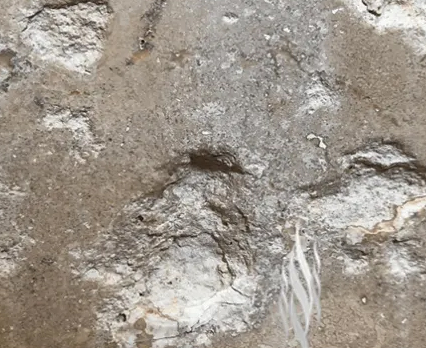

From dingy and worn to polished and pristine, our deep cleaning brings natural stone back. On travertine, marble, granite, or limestone, we gently lift years of residue and discoloration to reveal the original texture and vibrancy beneath.


.jpeg)
Marble, travertine, granite, limestone and more. We restore and protect every type of natural stone with expert precision.



Have questions? We’ve got answers. Learn more about our process, services, and what to expect when you work with Arizona’s leading stone and surface care experts.
Is slate a good choice for high-traffic areas?


Can you restore uneven or flaking slate tiles?
Does slate need to be sealed regularly?
Why does my slate floor look dusty and chalky even when it is clean?
Unsealed slate loses its depth of color and looks chalky, especially outdoors and in sunlit entries. Where the color has gone flat, a color-enhancing sealer brings back the deep, after-the-rain look, and a penetrating sealer keeps moisture and staining out so it stays that way.
How do you clean slate tile floors without damaging them?
With pH-neutral, professional-grade cleaning that lifts soil out of the cleft texture and grout lines. No acids, no abrasives, and nothing that would lift the layers. If old coatings are on the surface, they are stripped first.
Do you restore slate patios, pool surrounds, and outdoor walls?
Yes. Outdoor slate follows the same sequence as indoor floors: strip any failed coatings, deep clean the cleft texture, hone where flaking allows, then seal with products made for outdoor use. Faded outdoor slate can also get a color-enhancing sealer.
Why has my slate floor turned cloudy?
Usually a topical sealer or wax that has aged, or several layers of them. Slate stripping removes the coatings and the trapped dirt under them, and the stone is then cleaned and sealed with a penetrating product that soaks in instead of sitting on top.
.png)


 Scottsdale